
Asian Handicap betting has emerged as a pivotal tool for sports bettors seeking a refined balance between risk and reward. Unlike traditional betting, which often hinges on a simple win, lose, or draw outcome, the Asian Handicap system introduces a nuanced layer that adjusts the starting score of a match, thereby minimizing the chances of a draw and offering more calculated betting opportunities. This form of betting is particularly popular in football, where games often end in tight scorelines, and draws are a frequent occurrence. By incorporating handicaps, bettors are encouraged to consider not just the outright winner but the margin of victory, enhancing strategic thinking and risk management.
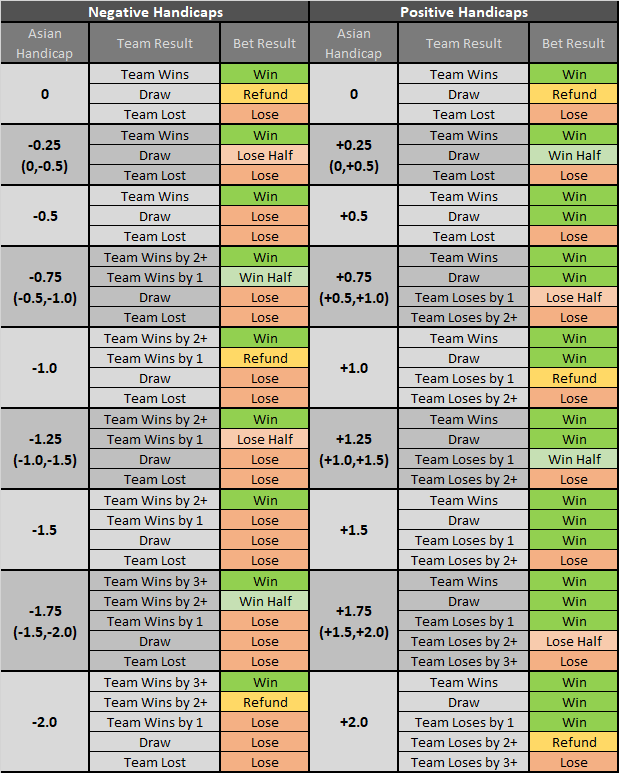
At its core, the Asian Handicap system assigns a virtual advantage or disadvantage to one of the competing teams. For example, a stronger team may start with a handicap of -1 goal, meaning it must win by at least two goals for a bet on them to succeed. Conversely, a weaker team might receive a +1 goal advantage, so even a draw in real terms would translate into a win for those betting on them. This mechanism ensures that bettors engage with the game in a more analytical way, evaluating the probability of different score margins rather than focusing solely on a binary outcome. In doing so, bettors develop a clearer understanding of risk and can align their wagers more precisely with their confidence levels and knowledge of the teams involved.
One of the key advantages of the Asian Handicap is that it effectively reduces the impact of draws, which are common in football. Traditional betting markets can be volatile because an unexpected draw can result in a total loss for many wagers. The Asian Handicap mitigates this by splitting certain handicaps into halves or quarters, which allows for partial wins or losses, depending on the outcome. For instance, a handicap of -0.5 means that if the favored team wins by any margin, the bet succeeds, while a draw results in a loss. A more complex handicap, like -0.25, splits the stake between two handicap lines, creating a scenario where part of the bet could be refunded if the match ends in a draw. This layered structure encourages bettors to approach their wagers with greater attention to detail, as they must account for multiple potential outcomes and their associated risk levels.
Beyond reducing the likelihood of total losses, Asian Handicap betting also promotes disciplined bankroll management. Bettors learn to avoid impulsive bets based solely on team popularity or recent performance and instead focus on statistical analysis, historical matchups, and situational factors such as home-field advantage or player availability. By assigning a handicap, bookmakers provide a framework for assessing these variables more systematically, which helps bettors develop a strategic approach to wagering. Over time, this can lead to more sustainable betting habits, as individuals are less likely to experience sudden swings in fortune due to unpredictable draws or underdog victories. It effectively aligns the bettor’s decisions with a structured risk evaluation, fostering a more disciplined mindset.
The system also enhances the depth of analysis for bettors, encouraging them to explore both qualitative and quantitative data. Understanding the implications of a handicap requires knowledge of team form, scoring tendencies, defensive capabilities, and other match-specific factors. Bettors must predict not just who will win, but by how much, which introduces a level of sophistication absent in simple win/lose bets. This analytical process improves the bettor’s ability to assess risk accurately and to diversify their strategies across different types of handicaps. Over time, exposure to these nuanced calculations strengthens a bettor’s overall understanding of probability, statistical reasoning, and the interplay between risk and reward.
Asian Handicap betting further promotes emotional control and decision discipline. Because outcomes are less binary and more influenced by margins, bettors are less likely to chase losses impulsively or make bets driven purely by gut feeling. The structure requires careful consideration before committing funds, as misjudging the margin can result in partial loss or partial refund, rather than an all-or-nothing outcome. This fosters a more measured approach, where bets are placed with calculated risk rather than emotional impulse. Over the long term, such an approach not only improves financial outcomes but also reinforces the bettor’s confidence and resilience, as decisions are informed by analysis rather than by reactionary impulses.
From a practical perspective, the Asian Handicap also offers opportunities for strategic hedging. Bettors can split stakes across different handicap lines to manage risk and optimize potential returns. For instance, placing bets on multiple handicap options allows for risk distribution, where favorable outcomes on one line may offset less favorable results on another. This flexibility further strengthens a bettor’s ability to structure risk effectively, as it introduces a portfolio-style approach to individual wagers. Each decision is treated as a calculated investment with potential partial returns or losses, enhancing both strategic thinking and financial prudence.
Another important dimension of Asian Handicap betting is its influence on market efficiency. By reducing the probability of draws and encouraging more nuanced wagers, bookmakers create a market that reflects realistic outcomes more accurately. Bettors benefit from this by gaining access to odds that incorporate detailed statistical modeling and risk assessments. Engaging with these markets improves the bettor’s understanding of probability distributions, expected value calculations, and the impact of different variables on match outcomes. This contributes to a more informed betting approach, where risk is quantified and integrated into every decision rather than left to chance.
Overall, exploring Asian Handicap betting significantly improves a bettor’s approach to risk structure. The system introduces layers of complexity that require careful analysis, strategic planning, and disciplined decision-making. Bettors develop the ability to evaluate multiple outcomes, manage their bankroll effectively, and approach wagers with a structured mindset that emphasizes calculated risk. By fostering both analytical and emotional skills, the Asian Handicap encourages a more sophisticated understanding of sports betting, where success is derived not from luck alone but from an informed, measured approach to probability and potential outcomes. In essence, it transforms betting from a simple gamble into a structured exercise in risk management, strategic planning, and informed decision-making, allowing bettors to engage with the game in a more intelligent and controlled manner.
This enhanced focus on risk structure ultimately promotes long-term sustainability in betting habits. Bettors learn to temper expectations, anticipate variable outcomes, and approach each wager with a calculated mindset. Over time, these skills translate into greater consistency, reduced volatility, and a stronger sense of control over one’s betting activities. By exploring Asian Handicap, individuals cultivate a sophisticated understanding of both opportunity and risk, equipping them to make smarter, more strategic decisions that balance potential rewards against the inherent uncertainties of sports outcomes.
Asian Handicap betting is more than a simple alternative to conventional bets; it represents a comprehensive framework for improving risk assessment and decision-making. The system’s complexity encourages analytical engagement, fosters disciplined betting behavior, and enhances both financial and emotional control. For any bettor seeking to refine their approach and build a structured understanding of risk, the Asian Handicap provides a versatile and powerful tool, turning the often unpredictable world of sports betting into a domain where informed strategies and calculated decisions prevail.
By integrating Asian Handicap principles into their betting practices, individuals gain a deeper awareness of the dynamics of risk and reward. This knowledge extends beyond the immediate context of a single match, influencing overall betting strategy and long-term planning. Bettors who embrace this approach are better equipped to navigate uncertainty, make informed choices, and maintain control over their wagering activities. Ultimately, the system promotes a disciplined, analytical, and structured approach to betting, transforming how risk is perceived and managed in the realm of sports wagering.



Leave a Reply